

How to tell if you have termites before you buy a house in Murray
Published Updated
 By John Stopka, Co-Founder & CEO · Reviewed by John Stopka
Short answer
Look for pencil-wide mud tubes on the foundation, shed wings on windowsills, and wood hollowed out along the grain with soil in the tunnels. University of Kentucky entomologists say winged termites indoors almost always mean an infestation that needs treatment. Before you buy in Murray, book a WDI inspection so visible evidence is checked and reported on Form NPMA-33.
Why does a home purchase bring up termites?
Because a termite report is often part of the sale. University of Kentucky entomologists note that termites are "particularly relevant when buying or selling a home since a termite inspection/infestation report is normally a condition of sale" [1].
It is usually required as part of the sale rather than something the buyer chooses to arrange.
That is why buyers in Murray ask for a WDI inspection on a deadline, not just a casual look around the yard.
What should you look for before you make an offer?
Three signs show up most often, and each one is worth writing down for your inspector [1][2]:
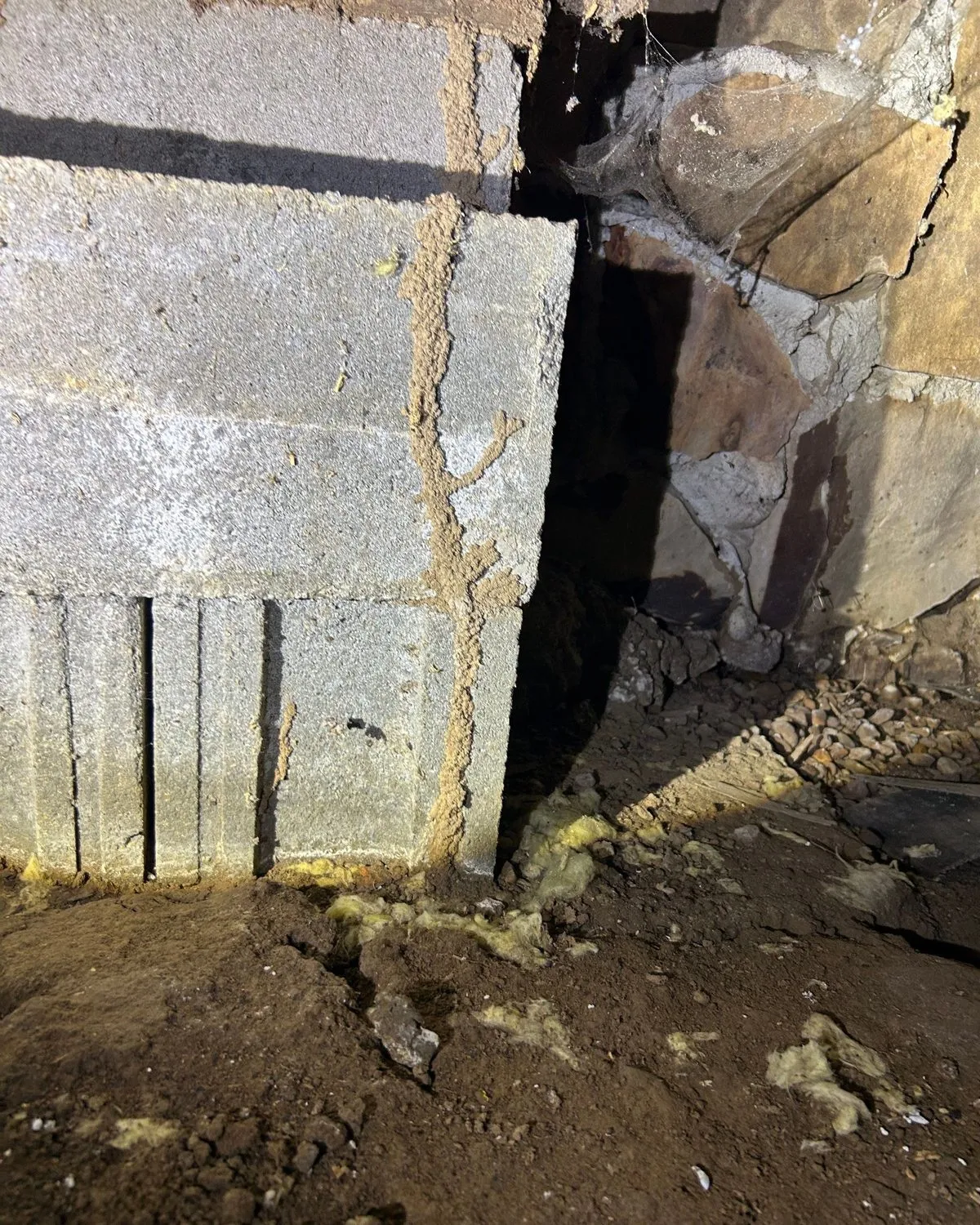
- Mud tubes. Earthen tubes on foundation walls, piers, sill plates or floor joists, "typically about the diameter of a pencil." Termites build them for shelter as they travel between the soil and the wood.
- Shed wings. Winged termites are drawn to light, so wings collect on windowsills and along the edges of floors. Discovering winged termites indoors "almost always indicates an infestation warranting treatment" [1].
- Hollowed wood. Termite damage is "hollowed out along the grain, with bits of dried mud or soil lining the feeding galleries" [1]. Moisture damage and carpenter ant damage do not look like that.
Sometimes there is no clear sign at all. UK says termites are cryptic, and infestations "can go undetected for years, hidden behind walls, floor coverings, insulation, and other obstructions" [1]. Our article on the signs of termites walks through each one.
What does a WDI inspection cover for a Murray purchase?
It is a check for visible evidence of wood-destroying insects on the day of the visit, not a promise about parts of the house nobody can see.
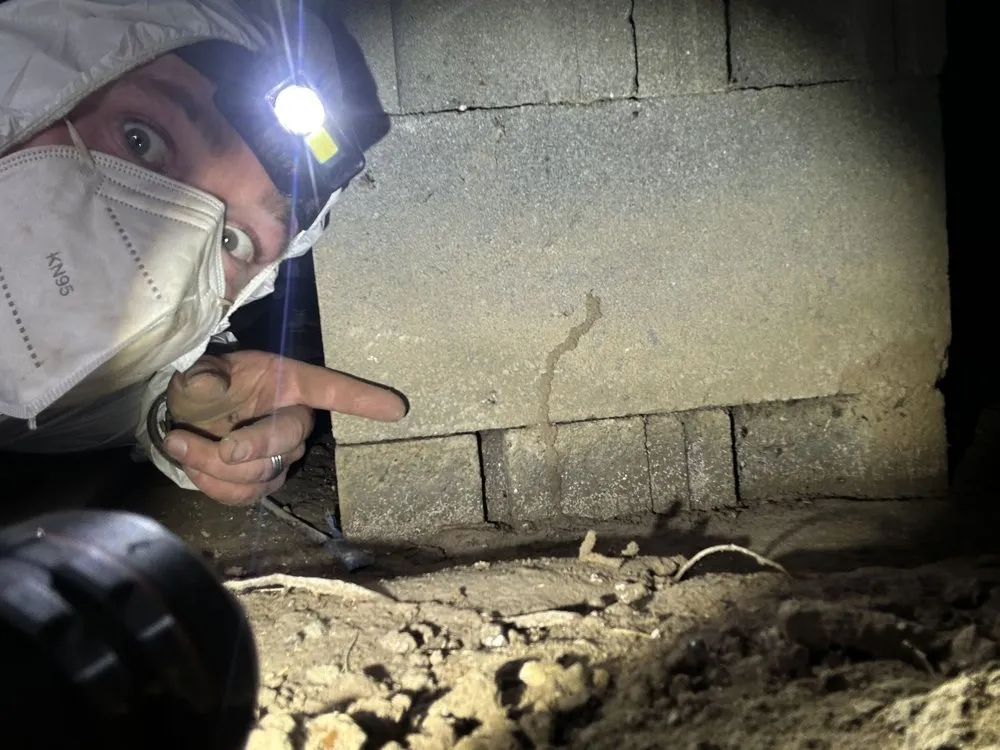
A WDI (wood-destroying insect) inspection is done when a home is being bought or refinanced. We check for visible evidence of termites and of damage from carpenter bees and carpenter ants.
Your WDI inspection results are reported on Form NPMA-33, the standard Wood Destroying Insect Inspection Report from the National Pest Management Association. It's approved for FHA and VA loans. Lenders set their own requirements, so ask your lender or real estate agent what your closing needs.
Your WDI report is emailed after payment. A Liberty WDI report is good for 90 days, which matters when a closing date moves.
The realtor, the buyer or the seller can request it. When you book, tell us how we'll get in and who's paying.
For the longer buyer's guide, see what a WDI inspection is.
What if the report notes evidence?
It means the inspector saw something. The next question is whether it is active.
A mud tube can be broken open and checked for small, creamy-white worker termites, but "If a tube happens to be vacant, it does not necessarily mean that the infestation is inactive; termites often abandon sections of tube while foraging elsewhere in the structure" [1].
UK also notes that "Termites damage wood slowly," so taking another day or week to get a second look "generally is inconsequential" [1]. Treatment for a home infestation is a job for professionals, not a do-it-yourself product from the store [1].
What this means in Murray
Liberty Pest Control serves Murray and the rest of Calloway County, including Almo, Dexter, Hazel, Kirksey and New Concord. Murray is home of Murray State University, and the same homes near campus, family houses and Kentucky Lake places that need everyday pest control also need a clear termite check when they change hands.
A lot of houses here sit on crawlspaces, and many have decks, porches, landscape beds or firewood close to the walls. Those match the conditions UK flags: wood near the soil and moisture by the foundation [2]. UK's prevention list includes keeping wood siding and frames at least six inches above the ground, pulling mulch back from the foundation, keeping gutters and downspouts moving water away, and never storing firewood against the house or in the crawlspace [2].
Our Murray page has more on the services we offer here. Everyday household pests still sit on a pest control plan. Termites and a WDI for a closing are separate from those visits.
When to call a professional
Call when you are buying or refinancing a Murray home and need a WDI report, or when you see mud tubes, shed wings indoors or wood that is hollow with soil in it. More termite answers are on the Termites page.
Common questions
Does a clean WDI report mean the home has no termites?
No. It means no visible evidence was found that day in the areas the inspector could reach. Infestations can stay hidden for years behind walls, floor coverings and insulation, and even an experienced inspector can overlook hidden signs [1].
Are termite swarmers the same as flying ants?
No. UK says termites have straight antennae, a uniformly thickened waist and wings of equal size, while ants have elbowed antennae, constricted waists and forewings longer than the hind wings [1].
Who can request a WDI inspection in Murray?
The realtor, the buyer or the seller can request it. When you book, tell us how we'll get in and who's paying.
How long is a Liberty WDI report good for?
A Liberty WDI report is good for 90 days. If your closing moves well past that, ask whether a new one is needed.
Do outdoor swarmers mean the house is infested?
Not by themselves. UK says swarms from tree stumps or woodpiles out in the yard do not automatically mean the house is infested. Swarmers next to the foundation or coming from abutting porches or patios are a different story [1].
Sources
- University of Kentucky Entomology. Michael F. Potter. "Termite Control: Answers for Homeowners" (ENTFACT-604). https://entomology.ca.uky.edu/ef604 (opens in a new tab)
- University of Kentucky Entomology. Michael F. Potter. "Protecting your Home Against Termites" (ENTFACT-605). https://entomology.ca.uky.edu/ef605 (opens in a new tab)