

Landlord or Tenant: Who Handles Pest Control in a Kentucky Rental?
Published Updated
 By John Stopka, Co-Founder & CEO · Reviewed by John Stopka
Short answer: it depends on where the rental is and what the lease says. Kentucky has a landlord-tenant law, the Uniform Residential Landlord and Tenant Act, but it only applies in cities and counties that have adopted it, and Paducah, Hopkinsville, Murray and Bowling Green are not on the published lists of places that have. In most of western and south-central Kentucky, your lease and your city's housing code do most of the deciding. As a rule of thumb, problems that come from the building (gaps, holes, leaks) lean toward the landlord, and problems that come from how a unit is kept lean toward the tenant. Bed bugs and roaches in shared buildings are where it gets messy.
This post is general information, not legal advice. If you're in a dispute with a landlord or tenant, talk with a Kentucky attorney or Kentucky Legal Aid.
Why we wrote this
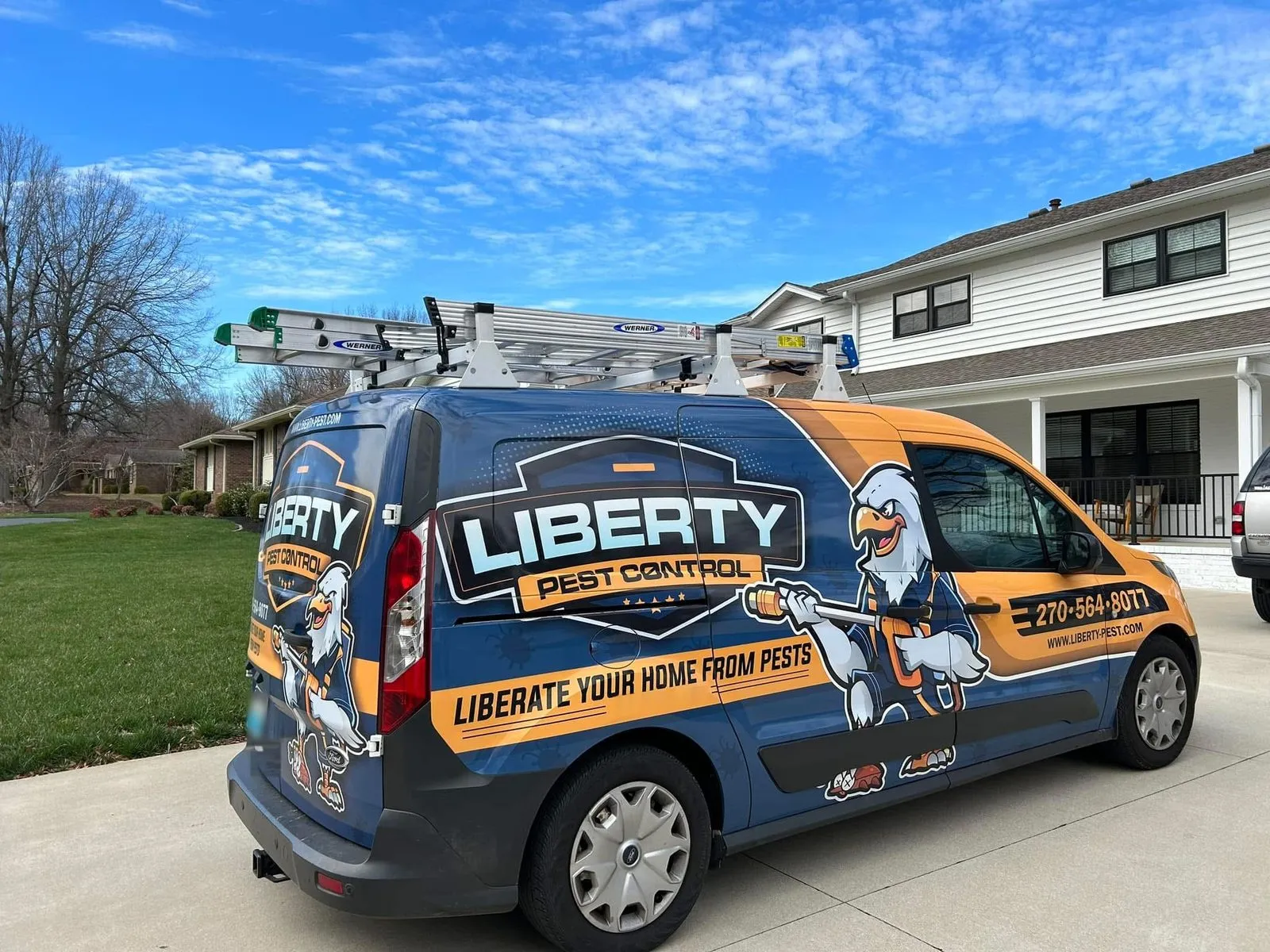
We hear this one from both sides. A renter reached out to us this summer for pest control, got an estimate, and then texted back, "My landlord is handling it." That's the best outcome for a renter. Other times it goes the other way. We get messages through Google from people in Hopkinsville apartments asking about bed bugs in their own unit, and the first thing we have to sort out is whether the building has a pest control company already and whether management knows.
Landlords ask us too, usually after a tenant calls them about mice in January. So here's what we can tell you about the rules, in plain language.
What Kentucky's landlord-tenant act says
KRS 383.500 lets cities, counties and urban-county governments adopt the Uniform Residential Landlord and Tenant Act, and if they do, they have to take it whole. It is not automatic statewide.
Where it has been adopted, two sections matter for pests:
- Landlord, KRS 383.595. The landlord must "make all repairs and do whatever is necessary to put and keep the premises in a fit and habitable condition," keep common areas clean, follow local building and housing codes, and keep plumbing, heating and other systems working.
- Tenant, KRS 383.605. The tenant must keep the part of the place they live in as clean as its condition allows, get garbage and other waste out of the unit properly, keep plumbing fixtures clean, and not damage the property.
Notice what's missing. Neither section uses the word pests. In practice, an infestation that makes a place unfit tends to fall under the landlord's habitability duty, and one caused by trash and food left out tends to fall under the tenant's cleanliness duty. A court decides the hard cases, not us.
Where it actually applies
Kentucky Legal Aid's Kentucky Justice Online keeps a list of places with the act. Its current list includes Louisville-Jefferson County, Lexington-Fayette County, Oldham and Pulaski counties, Covington, Florence, Georgetown, Shelbyville, Barbourville, Morgantown and a group of Northern Kentucky river cities. Kentucky Justice Online also notes that outside those places, a landlord generally isn't responsible for repairs beyond what the lease says.
Paducah, Hopkinsville, Murray and Bowling Green aren't on that list. Cities can adopt the act at any time, so if you're not sure, call your city or county clerk.
Paducah's codes fill in some of the gap
Paducah adopted the International Property Maintenance Code (the 2012 edition, in Section 42-46 of the city code). That code has a pest elimination section, Section 309, and it is more specific than state law:
| Situation | Who the property maintenance code points to |
|---|---|
| Pests found before the place is rented | Owner, before renting or leasing |
| Single-family house rented to one household | Occupant handles pest elimination on the premises |
| Duplex, apartment building or other multi-unit building, shared areas and outside | Owner |
| Infestation caused by an occupant not keeping their unit up | Occupant and owner |
| Infestation caused by defects in the building | Owner |
Paducah also rewrote its rental occupancy rules this year. The ordinance, adopted by the city commission on February 24, 2026, requires owners of one- and two-family rentals in city limits to register each unit every year by July 1 with the Fire Prevention Division and allow an inspection at least once every two years. That article excludes apartment buildings. It doesn't assign pest duties by itself, but it means more rentals in town are getting looked at.
If you rent in Hopkinsville, Murray, Bowling Green or a smaller town, check with that city's code enforcement office. We aren't going to guess what each one has adopted.
The lease usually settles it
With no state act in most of our area, the lease carries a lot of weight. Read it for:
- A pest control clause that says who calls and who pays.
- Whether the landlord already has a pest control company on a schedule. Many apartment communities do.
- Rules about notice, entry and how fast repairs happen.
- Anything about bed bugs specifically. Some leases have a separate addendum.
What we see in the field
Mice are the most common winter rental call we get. Mice need very little room to get in, and in our older housing stock, the gaps are usually around pipes, foundation vents, garage doors and attic vents. That's building work. One of Darrell's recent jobs was a gable vent closed off with metal mesh. When the entry point is part of the structure, it's hard for a tenant to fix, and most codes put it on the owner. Our rodents page covers what to look for.
German cockroaches are the opposite case. They live inside, near food and water, and in shared buildings they move between units through plumbing and wall voids. Treating one apartment while the neighbors aren't treated rarely ends it, which is why it really has to involve management.
Bed bugs come in on luggage, furniture and visitors, so it's often impossible to say whose fault it is. What we can say is that the sooner management knows, the fewer units it reaches. Our bed bugs page shows the signs. Please don't set off foggers in an apartment. We explain why in why bug bombs and foggers fail.
If you rent
- Read the lease first.
- Tell your landlord or manager in writing (text or email is fine) with the date, what you saw and where. Photos help.
- Keep food sealed, trash out regularly and clutter down. That's your side under most leases and codes, and it makes any treatment work better.
- If you're told to hire your own company, keep the receipts and the service report.
- If things stall, ask your city's code enforcement office or Kentucky Legal Aid what applies where you live.
If you're a landlord or property manager
- Have the unit checked between tenants, before the new lease starts.
- Put a clear pest clause in the lease, including what happens with bed bugs.
- Respond to reports fast and keep a record. In shared buildings, inspect the units next door too.
- Fix the building side: door sweeps, vent screens, gaps around pipes and leaks under sinks.
- For multi-unit buildings, a regular service schedule is easier than chasing calls. Our commercial page covers apartment communities, and our plans work for single-family rentals.
About the author
John Stopka is the Co-Founder and CEO of Liberty Pest Control. He got into pest control at 19 and has worked in pest management, sales, marketing and business operations. He started Liberty with Lee Sell in 2024 in Paducah, and was named the Paducah Area Chamber of Commerce Entrepreneur of the Year in 2025.
We serve Paducah, Hopkinsville, Murray, Bowling Green and the towns around them.
Renting, or renting one out, and dealing with pests? Call or text 270-564-8077.
When to call a professional
Common questions
Is my landlord required to pay for pest control in Kentucky?
It depends on whether your city or county adopted the landlord-tenant act, what your local housing code says, and your lease. In most of western Kentucky, the lease and local code decide. This isn't legal advice.
Does the Kentucky landlord-tenant act apply in Paducah or Bowling Green?
Not according to the lists kept by Kentucky Legal Aid and others. Paducah does enforce the International Property Maintenance Code, which has its own pest section.
Who handles bed bugs in an apartment?
Leases and local codes vary, and the cause is often hard to pin down. Report it to management in writing right away. Bed bugs spread between units, so the building needs to be involved. See our bed bug treatment page.
I rent a house. Am I responsible for mice?
Under the property maintenance code Paducah uses, the occupant of a single-family house generally handles pests, but the owner is responsible when the problem comes from defects in the building. Check your lease, and tell your landlord about any gaps or holes. All rodent problems start with a free inspection. More on our rodent control page.
Can I withhold rent because of pests?
Don't do that without talking to a lawyer first. Repair rights depend on where you live, and in places without the landlord-tenant act, they mostly come from the lease.
Can Liberty work with my landlord directly?
Yes. We work with property owners and managers, and we can schedule with whoever is handling it.
Sources
- Kentucky Revised Statutes 383.500. https://apps.legislature.ky.gov/law/statutes/statute.aspx?id=35717 (opens in a new tab)
- Kentucky Revised Statutes 383.545, definitions. https://apps.legislature.ky.gov/law/statutes/statute.aspx?id=35726 (opens in a new tab)
- Kentucky Revised Statutes 383.595. https://apps.legislature.ky.gov/law/statutes/statute.aspx?id=35736 (opens in a new tab)
- Kentucky Revised Statutes 383.605. https://apps.legislature.ky.gov/law/statutes/statute.aspx?id=35738 (opens in a new tab)
- Kentucky Justice Online (Kentucky Legal Aid). "Repair and Deduct for Rental Housing." https://www.kyjustice.org/topics/housing/repair-and-deduct-rental-housing-only-places-passed-urlta-uniform-residential (opens in a new tab)
- City of Paducah Code of Ordinances, Sec. 42-46. https://library.municode.com/ky/paducah/codes/code_of_ordinances?nodeId=COOR_CH42EN (opens in a new tab)
- International Code Council. International Property Maintenance Code, Section 309 Pest Elimination. https://codes.iccsafe.org/content/IPMC2021P1/chapter-3-general-requirements (opens in a new tab)
- City of Paducah. Residential rental occupancy permit ordinance, adopted February 24, 2026. https://paducahky.gov/files/2026-02-8869-Residential-Rental-Program-signed.pdf (opens in a new tab)